
Cultural Context & Sighting
The prompt in the wild.
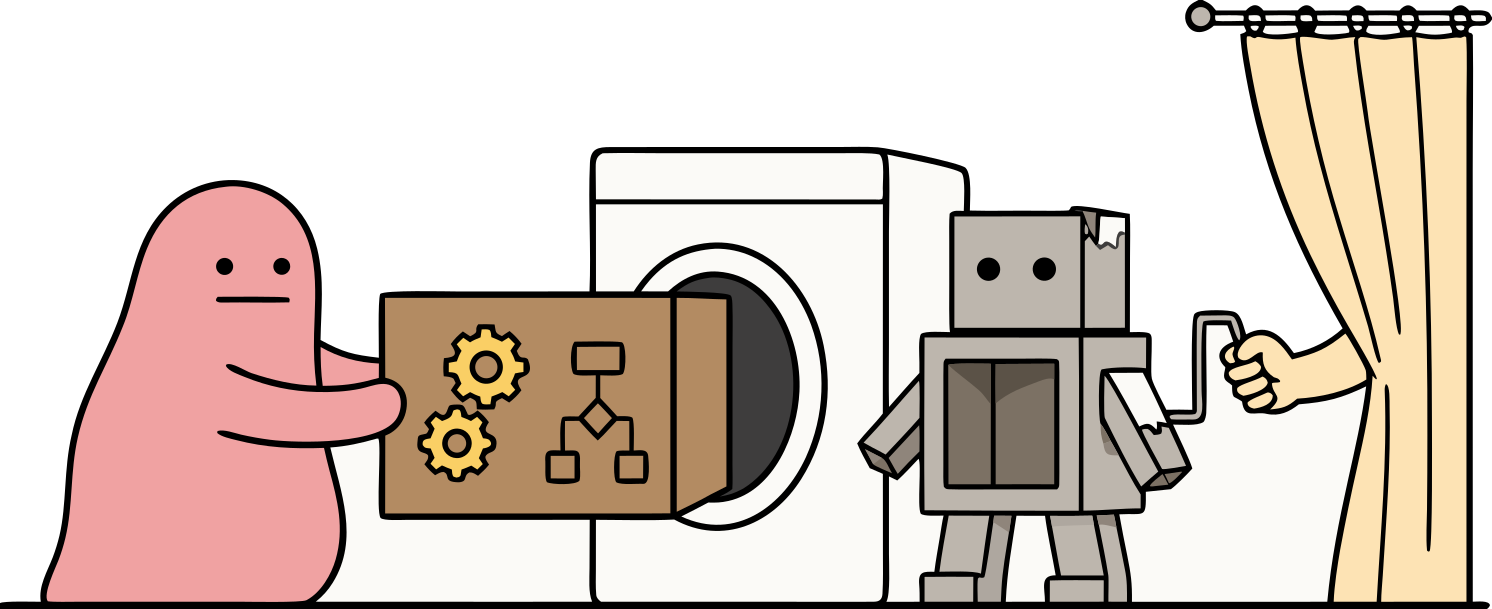
“A software vendor rebrands an if-else decision tree as a “proprietary cognitive neural engine.” Meanwhile, a drive-thru voice-ordering system is marketed as autonomous AI while off-site contractors enter or assist with the orders.”
Why it differs from normal marketing puffery
Traditional product puffery relies on vague, subjective boastfulness like calling a tool “the ultimate workflow experience.” AI washing makes specific, falsifiable claims about technological autonomy, bespoke neural architectures, and automated performance that do not exist.
The incentive is financial: an AI label makes conventional products more attractive to investors and enterprise buyers. That reward makes it tempting to describe a feature in the most impressive possible terms, even when the underlying system has not changed.